 Blog
The Reality of Modifying Your Pool
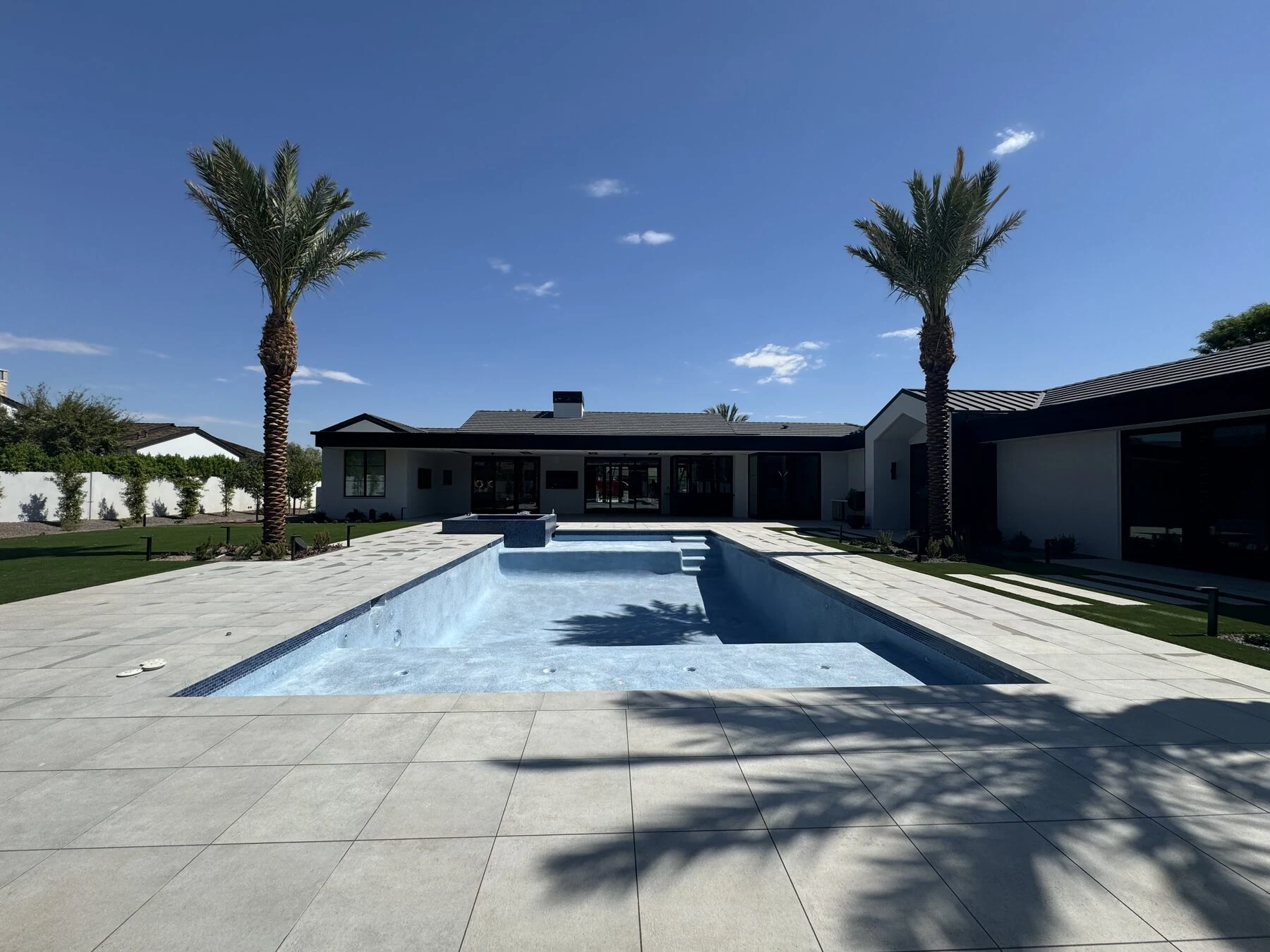
Many homebuyers purchase a property with a great backyard and immediately notice one thing is missing. They want a hot tub. Adding a spa to an existing pool in Phoenix, AZ is completely achievable. It is not a minor feature you can simply drop into the water. It requires breaking the existing shell, excavating dirt, running new plumbing, and upgrading the equipment pad.
Because of the heavy construction involved, homeowners almost always add a spa as part of a comprehensive pool remodel. This approach ensures the new structure bonds correctly to the old concrete and the final interior finish looks uniform across the entire yard.
Sun America Pools has handled complex renovations across Phoenix, Scottsdale, Paradise Valley, Chandler, Gilbert, and Mesa since 1985. We design and build custom additions that look like they were always part of the original blueprint.
Design Options When Adding A Spa To An Existing Pool Phoenix AZ
Homeowners generally have three primary ways to integrate a spa into an older pool. The right choice depends on the existing pool geometry, the deck layout, and the desired aesthetic for the backyard.
The Raised Spillover Spa
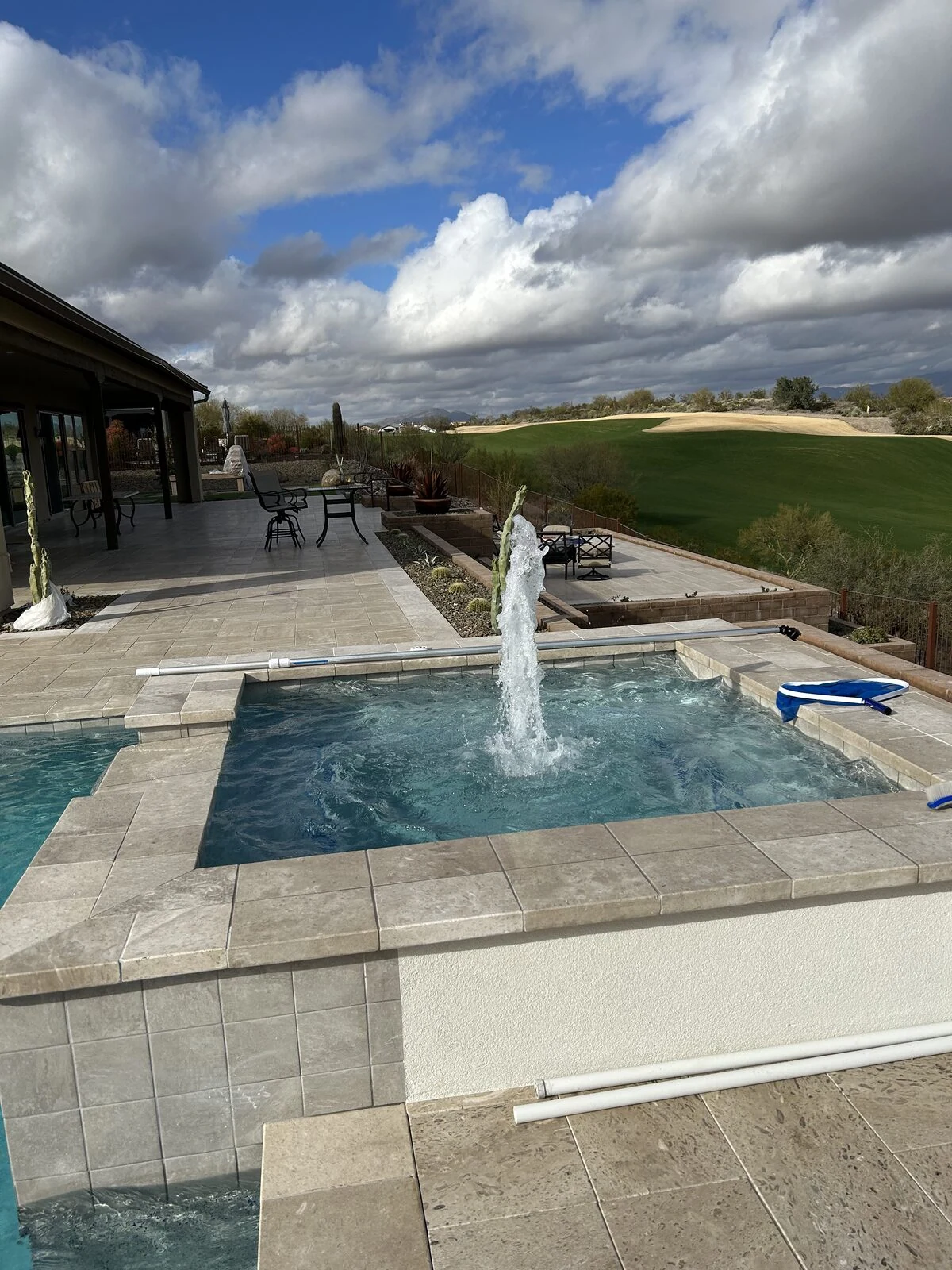
This is the most popular layout. The spa sits 12 to 18 inches above the pool water level. The wall facing the pool features a custom spillway where water cascades down into the main swimming area.
- Benefits: This creates a permanent, moving water feature. It clearly defines the spa area and provides extra seating along the raised coping edge.
- Trade-offs: It requires more materials, including vertical tile for the exposed exterior walls and engineered spillways.
The Flush (Deck-Level) Spa
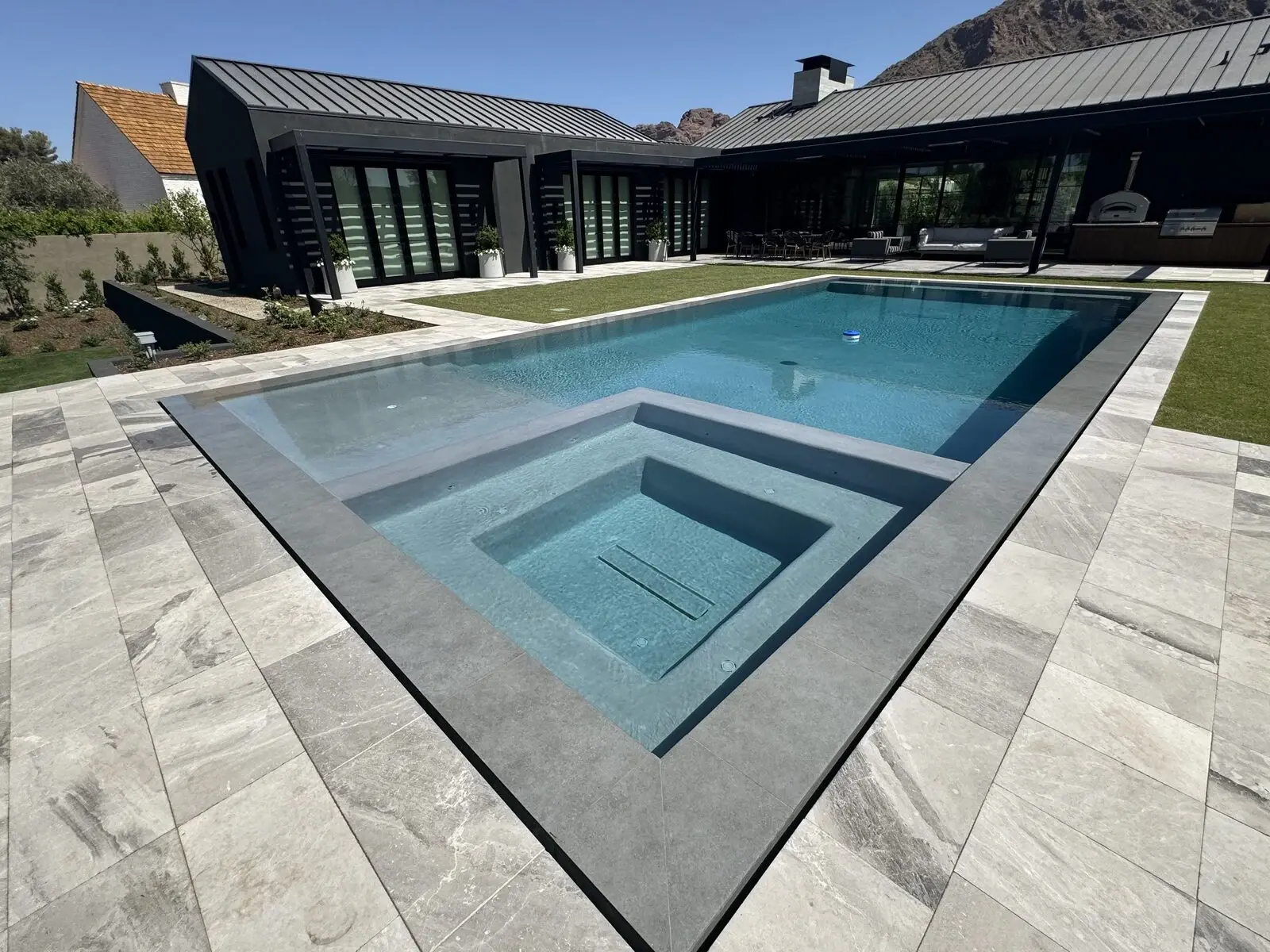
A flush spa sits at the exact same elevation as the pool and the surrounding concrete deck.
- Benefits: This design provides a clean, minimalist look. It keeps the deck sightlines completely open and undisturbed.
- Trade-offs: It does not provide the sound of falling water. Windblown debris and leaves from the deck can enter the water more easily.
The Detached Spa
A detached spa is built close to the main pool but does not bridge into the existing concrete shell.
- Benefits: It allows for placement closer to a master bedroom door or a covered patio. It avoids cutting directly into the original pool bond beam.
- Trade-offs: It requires completely separate plumbing trenches. It can feel isolated from the main swimming setup.
The Construction Process Explained
Adding a spa requires heavy machinery and precise engineering. The process usually takes four to eight weeks and happens in six distinct phases.
- Demolition and Excavation: Crews chisel through the original pool shell and dig out the shape of the new spa.
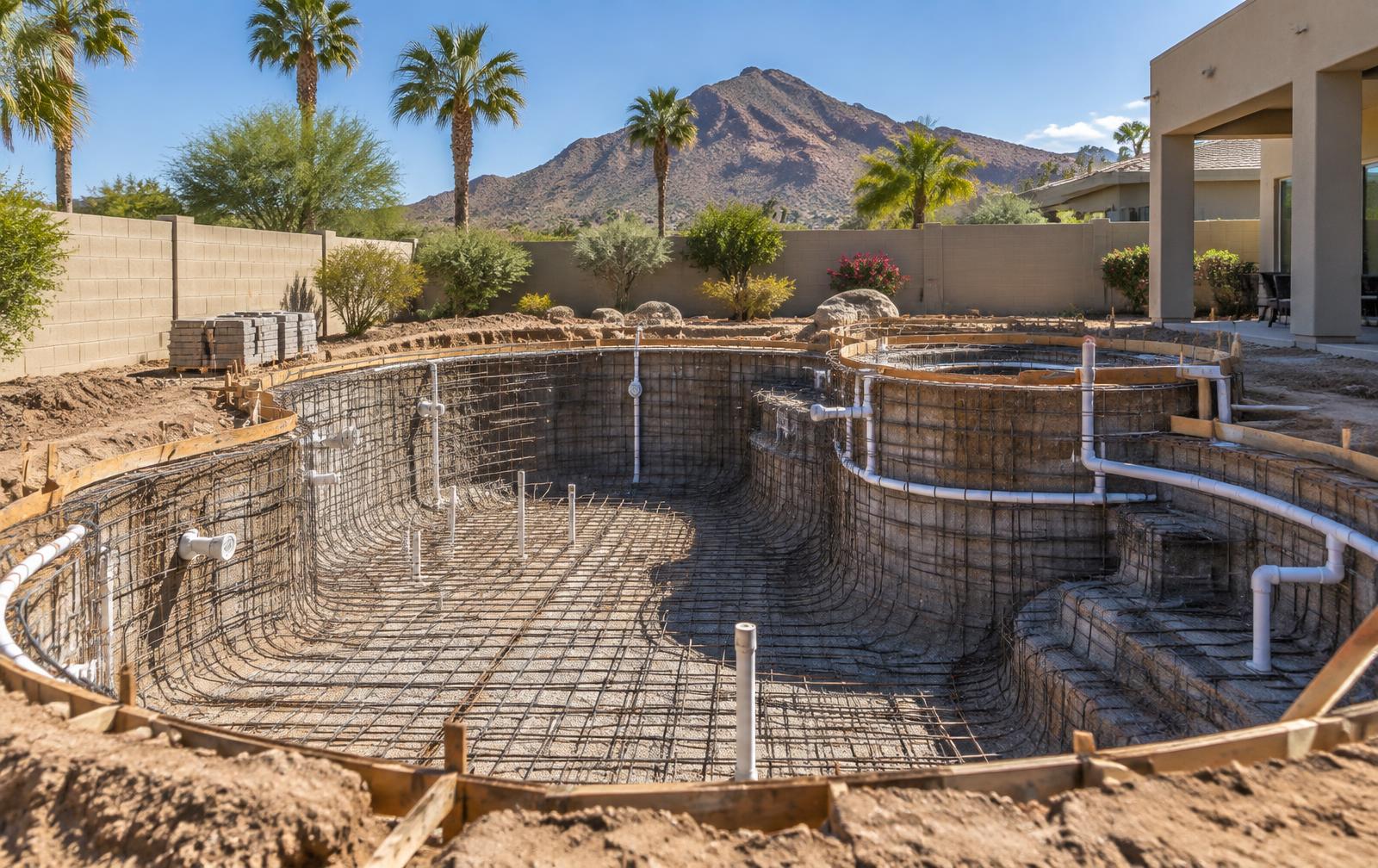
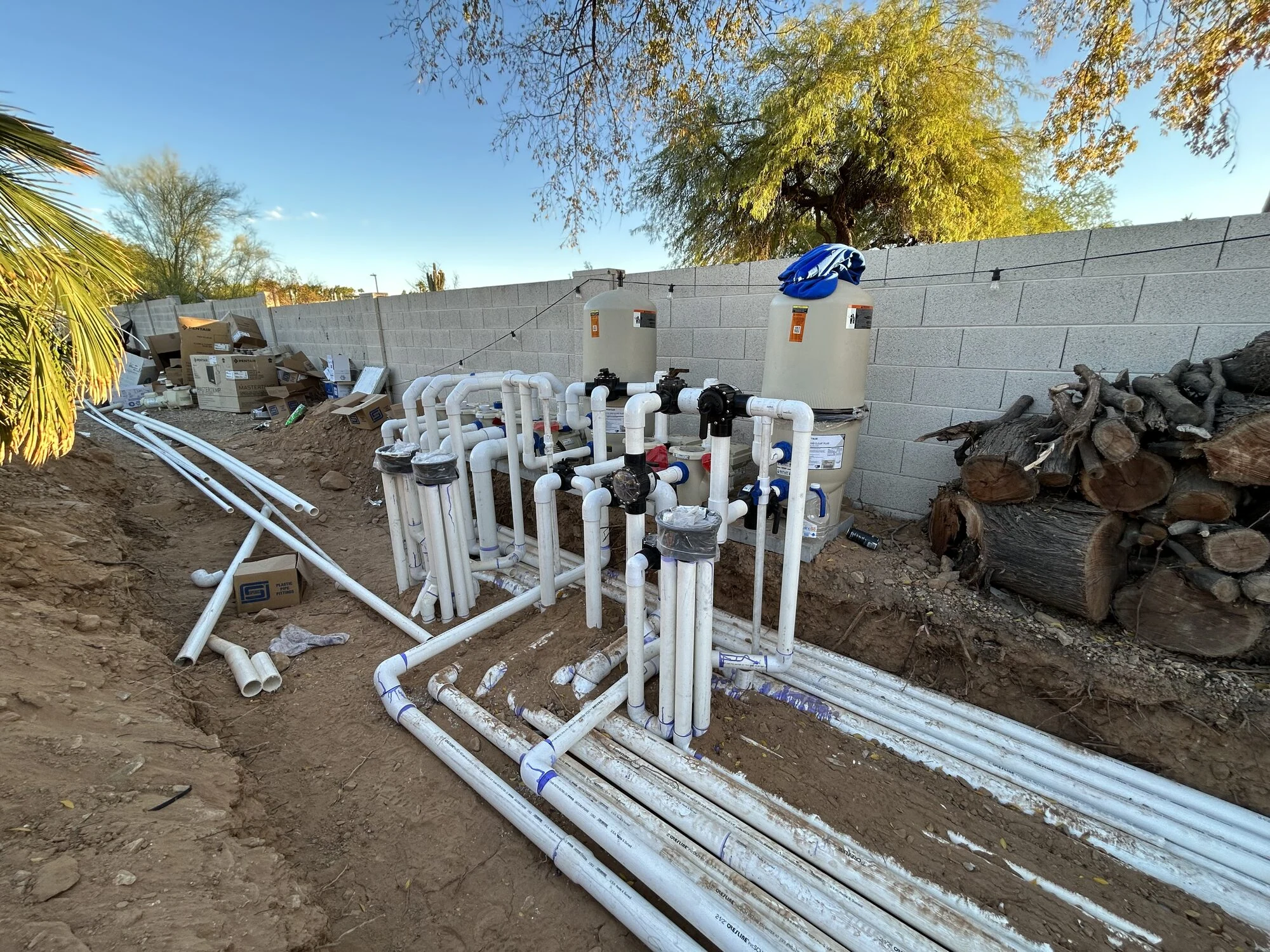
- Steel and Plumbing: Workers drill and epoxy new rebar into the existing pool steel for structural integrity. Plumbers run new PVC lines for the spa jets, main drains, and returns.
- Shotcrete: Concrete is shot at high pressure into the steel cage to form the thick walls, floor, and benches of the spa.
- Curing: The new structural concrete must cure for approximately 28 days before receiving the final waterproof finish.
- Equipment Upgrades: Electricians and plumbers install the necessary heaters, pumps, and automation panels at the equipment pad.
- Tile and Interior Finish: The entire pool and the new spa receive matching waterline tile and a fresh plaster or pebble interior.
Upgrading the Equipment Pad For A Spa
A spa completely changes the hydraulic demands of a pool system. You cannot run six therapy jets and warm the water to 104 degrees using an old single-speed pump. When you add spa to existing pool Phoenix configurations, you must overhaul the equipment pad.
Dedicated Spa Heating
Pools do not naturally stay warm during winter in the desert. You will need a heater. Gas heaters are the standard for attached spas because they heat water quickly. A properly sized 400,000 BTU natural gas heater can raise spa water temperature by one to two degrees per minute. Heat pumps are highly efficient for maintaining pool temperatures but struggle to rapidly heat a spa on a cold January night.
Pumps and Jets
Standard pool circulation requires a minimal amount of water movement. Spa therapy jets require massive water flow. Most projects require installing an advanced variable-speed pump. If your design includes more than six jets, you will likely need a secondary booster pump dedicated entirely to the therapy jets.
Smart Automation and Valves
An attached spa shares water with the pool. To heat the spa, motorized valves activate to isolate the spa water from the main pool circulation. Modern systems allow you to control these valves, the heater, and the jet pumps directly from a smartphone application. You can turn the heater on while leaving work and arrive home to hot water.
Understanding Costs for Pool And Spa Remodeling Phoenix AZ
Adding a spa is a serious investment. Doing it correctly involves structural engineering, concrete work, and high-end equipment. You should expect the spa addition to add between $20,000 and $35,000 to the base cost of a pool remodel.
Several factors push the cost higher or lower based on your property layout.
| Component | Cost Driver | Impact on Final Price |
|---|---|---|
| Heating System | Distance to the gas meter, need for buried propane tanks, trenching under hardscape | High |
| Therapy Jets | Number of jets, requirement for secondary booster pumps, custom jet placements | Medium |
| Exterior Finish | Standard plaster versus stacked stone veneer versus glass tile | High |
| Automation | Basic mechanical setups versus full smartphone and smart home integration | Medium |
Why You Must Refinish The Entire Pool
Homeowners often ask if they can build the hot tub without resurfacing the rest of the pool. The technical answer is yes, but the practical answer is that you should never do it.
When contractors tie new concrete into old concrete, they disrupt the existing interior finish. You cannot effectively patch a pebble or plaster pool surface. The color of the patch will never match the original finish, which has faded and accumulated scale under years of Arizona sun and hard water.
If you build a new spa and leave the old pool finish, your backyard will look like a patchwork repair job. To get a cohesive result, the spa addition is completed concurrently with a complete resurfacing of the main pool. This ensures the water color and texture match perfectly.
Phoenix Building Codes and Safety Requirements
Modifying your pool structure triggers current municipal building codes. When you pull a permit for an addition in the Phoenix area, inspectors will look at the safety barriers around the water.
If your existing pool fencing, self-closing gates, or window alarms do not meet current city codes, you will be required to update them. This is a non-negotiable step for passing final inspections. A licensed pool contractor will handle the permitting process and advise you on exactly what barrier upgrades your specific municipality requires.
Frequently Asked Questions
Do I need a building permit to add a spa to my pool?
Yes. Modifying a structural pool shell, running new electrical circuits for pumps, and laying gas lines all require municipal permits and inspections in Phoenix. A licensed pool builder handles the entire permitting and engineering process.
How long does it take to heat an attached spa?
A properly sized gas heater usually takes between 30 and 45 minutes to heat a standard 600-gallon spa from 60 degrees to 104 degrees. Ambient air temperature and winter winds will affect this timeframe.
Can I run my spa jets without heating the water?
Yes. The spa circulation and the heater operate independently. You can turn on the therapy jets during the summer to enjoy moving water without engaging the gas heater.
Start Your Pool Modification Project
Adding a spa transforms a basic swimming pool into a year-round amenity. The process requires careful hydraulic engineering, structural expertise, and precise material matching. Sun America Pools & Spas has executed complex renovations throughout the Valley for nearly 40 years. Our owner-led design and construction process ensures every pipe is sized correctly and every tile aligns perfectly.
Contact Sun America Pools today to schedule a consultation. We will evaluate your existing pool, discuss your design options, and outline exactly what it takes to bring a custom spa to your backyard.